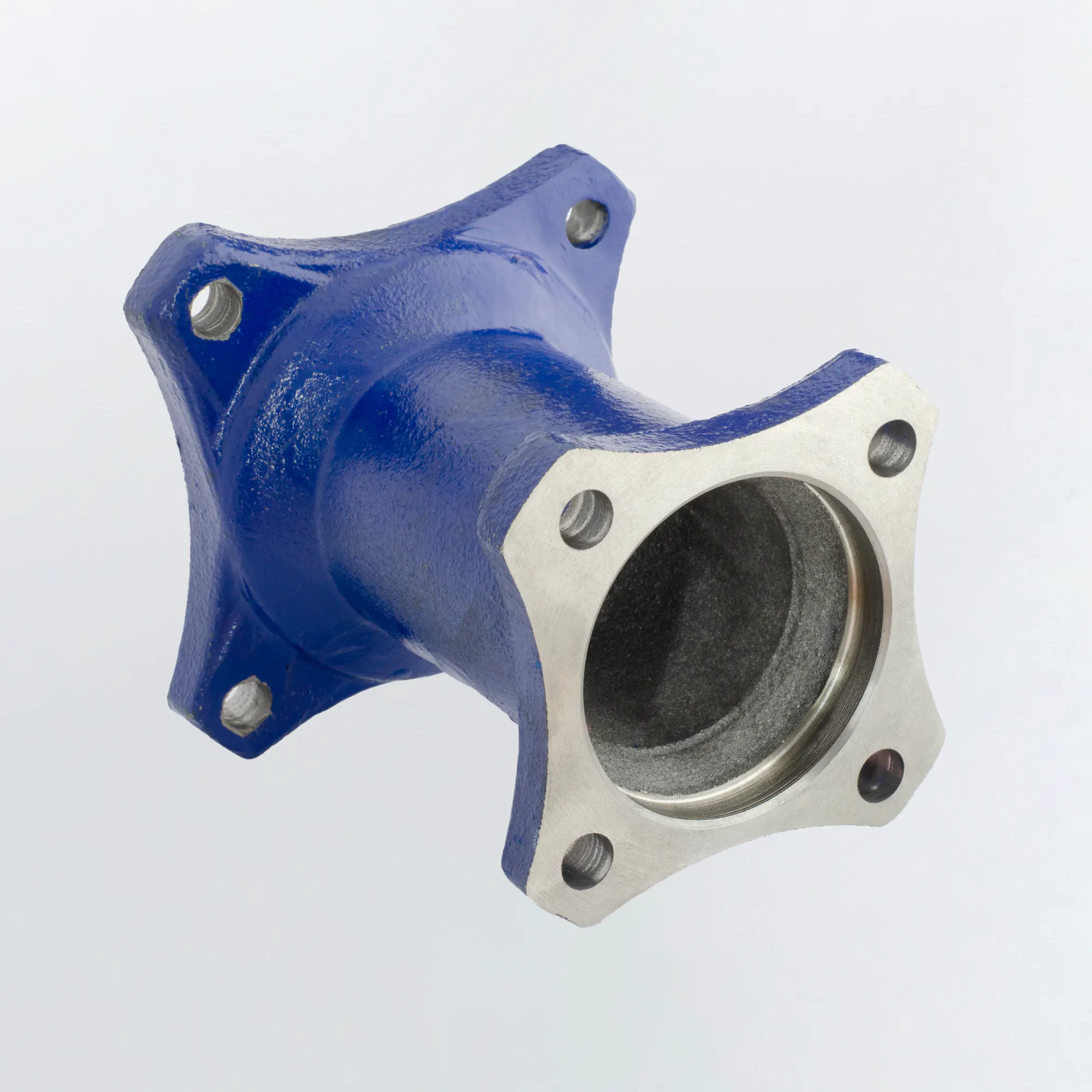
Ferguson Loader Attachment
Front loader buckets are among the essential attachments that can be mounted on tractors, proving highly beneficial for farmers and livestock owners. These attachments function similarly to a loader, essentially converting a tractor into a makeshift loader. While they may not match the full capabilities of a dedicated loader, they are cost-effective and well-suited for light-duty tasks on farms and livestock facilities.
Front loader buckets are secured to the tractor’s chassis using bolts. Since tractor chassis dimensions vary across models, each front loader is specifically designed for a particular type of tractor to ensure a proper fit.
A typical front loader consists of:
To install a front loader on a Ferguson 399 tractor, the bucket is first mounted onto the chassis, followed by assembling and securing the hydraulic components. The Ferguson 399 tractor features four hydraulic outlets in addition to a trailer output, which can be used to connect the loader’s four hydraulic hoses. Once connected, the loader can be controlled using the tractor’s hydraulic levers, enabling the operator to lift, lower, and move materials efficiently.
For tractors like the Ferguson 285 (which has only one hydraulic outlet) or the Ferguson 475 (which has three hydraulic outlets), connecting a front loader directly is not feasible. However, this issue can be resolved using a “seat-mounted hydraulic valve”. This component increases the number of hydraulic outlets on the tractor, enhancing its hydraulic capabilities and allowing the installation of additional hydraulic attachments.

Using the tractor’s built-in hydraulic outlets to operate a front loader is a simple, efficient, and cost-effective method. However, if you need to use the loader continuously throughout the day, require higher operational speed, and intend to handle heavier loads, it's better to install a separate hydraulic system on the tractor specifically for the loader.
To set up a dedicated hydraulic system, the following components are needed:
The hydraulic pump must be aligned with the PTO shaft and connected in a way that ensures smooth power transmission. This requires two key components:
It is important to note that the PTO mounting design varies between Romanian tractors and Ferguson tractors, as their bolt patterns differ. This means that the mounting adapter must be specific to the tractor model.
For Romanian tractors, an alternative method exists using a custom PTO shaft and mounting plate instead of the standard PTO pump adapter. This alternative ensures a secure and efficient connection, accommodating the design differences of these tractors.

Honary Hydraulic Industries began its activities in 1991 and, after utilizing up-to-date knowledge and experience, and employing modern machinery, has succeeded in producing and supplying a wide range of products.
©all right reserved to Honary hydraulic pumps | desgined by ParsWebdigital marketing agency